


Please Leave Us A Message
Privacy statement: Your privacy is very important to Us. Our company promises not to disclose your personal information to any external company with out your explicit permission.

Zhoushan Shenlong Ship Technology Co., Ltd


Water lubricated stern bearings are critical components in marine propulsion systems that utilize the surrounding seawater as a natural lubricant between the shaft and the bearing material. Unlike traditional oil-lubricated systems, these bearings eliminate the need for complex oil seals, significantly reducing the risk of ocean pollution from accidental leaks.
For ship owners and operators, choosing the right water lubricated stern bearing means lower maintenance costs, simplified installation, and compliance with increasingly strict environmental regulations. The bearing supports the propeller shaft, absorbing radial loads while maintaining precise alignment under varying water conditions.
Zhoushan Shenlong Ship Technology Co., Ltd. specializes in high-performance polymer composite materials designed specifically for this application. Our advanced materials offer superior corrosion resistance and self-lubricating properties, ensuring reliable performance in both commercial and military vessels.
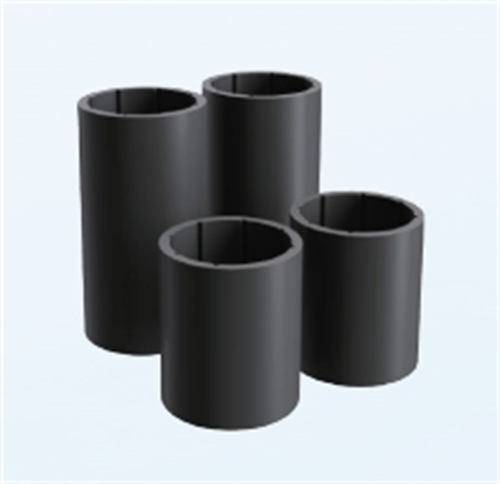
Our manufacturing facility operates under national high-tech enterprise standards, integrating experimental evaluation, mechanism research, and technical consultation. Every marine propulsion bearing undergoes rigorous testing to ensure it meets international classification society requirements.
We hold type approval certificates from eight major classification societies, including CCS, DNV/GL, LR, RS, ABS, BV, NK, and KR. This global recognition ensures our products meet the highest safety and performance standards worldwide.
Our SL-IIIA series utilizes rare earth and nanotechnology modification, backed by national invention patent ZL200110067725.6. This results in bearings with exceptional pressure resistance, impact tolerance, and long service life.
With over 30 years of development experience and more than 10 senior engineers specializing in marine power and naval architecture, we provide comprehensive technical support from design through installation. Our products have been delivered to over 6,000 commercial and military ships across Europe, Southeast Asia, and the Middle East.
Selecting the appropriate ship rudder pin bearing or stern shaft bearing requires careful consideration of several technical factors. The wrong choice can lead to premature wear, increased downtime, and costly repairs. Here are the key criteria procurement managers should evaluate:
Ensure the bearing material is compatible with your vessel's operating environment. Polymer composites offer excellent acid, alkali, and corrosion resistance, making them ideal for saltwater applications where metal bearings would degrade rapidly.
Evaluate the maximum radial and axial loads your system will experience. Our SL-IIIA series features outstanding pressure resistance and friction characteristics, suitable for heavy-duty applications in container ships, military vessels, and offshore platforms.
Look for bearings with inherent self-lubricating properties. Our modified thermoplastic resin materials maintain low friction coefficients even at startup, reducing wear during initial operation and extending overall service intervals.
Verify that the manufacturer holds valid type approval certificates from relevant classification societies. This ensures compliance with international maritime regulations and simplifies the certification process for your vessel.
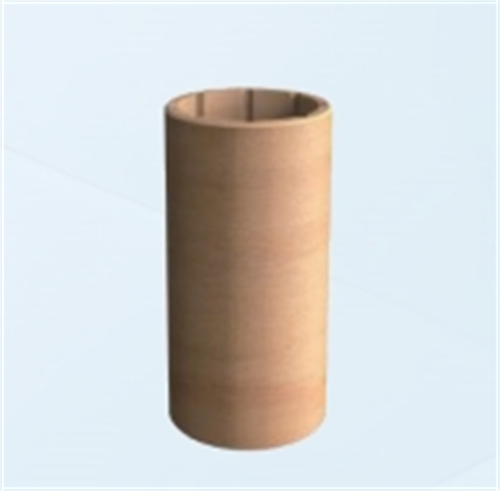
Before finalizing your purchase order for water lubricated stern tube bearing systems, use this comprehensive checklist to verify that your supplier meets all critical requirements. This structured approach helps minimize procurement risk and ensures long-term operational reliability.
Procurement professionals often encounter specific challenges when sourcing water lubricated stern bearings. Understanding these common issues in advance allows you to mitigate risks and make more informed purchasing decisions.
Many buyers report unexpected bearing failure within the first year of operation. This is often caused by using inferior materials that lack proper self-lubricating properties or adequate corrosion resistance in saltwater environments.
Solution: Specify bearings made from modified thermoplastic resins with proven track records. Request third-party test reports and reference installations before committing to a supplier.
Bearing dimensions that don't match design specifications can cause installation delays, shaft misalignment, and increased friction. Some manufacturers lack precision machining capabilities.
Solution: Work with manufacturers who employ advanced design tools and maintain strict quality control protocols. Verify that suppliers provide detailed inspection reports with each shipment.
Using unapproved bearings can complicate vessel certification and insurance processes. Many suppliers claim compliance without providing valid documentation from recognized societies.
Solution: Require explicit type approval certificates from relevant classification societies (CCS, DNV/GL, LR, etc.) before placing orders. Verify certificate validity directly with the issuing society.
Improper installation is a leading cause of bearing failure. Suppliers who don't provide installation guidance or technical consultation increase the risk of operational problems.
Solution: Prioritize manufacturers offering comprehensive technical support, including design assistance, installation guidelines, and on-site commissioning services when needed.
Choosing the right marine bearing manufacturer is crucial for ensuring vessel reliability and minimizing lifecycle costs. Based on industry best practices, here are the key attributes to look for when evaluating potential suppliers.
Prioritize suppliers with dedicated R&D departments and proprietary material technologies. Companies investing in innovation, like those utilizing rare earth and nanotechnology modifications, typically offer superior product performance and longevity.
Look for manufacturers holding multiple type approval certificates from major classification societies. This demonstrates compliance with global standards and reduces certification hurdles for your vessels across different flag states.
Choose suppliers with proven export experience and installations in diverse marine environments. A track record of successful deliveries to commercial and military vessels indicates reliability and adaptability to various operational requirements.
Evaluate the depth of engineering knowledge within the supplier's team. Manufacturers with senior engineers specializing in marine power and naval architecture can provide valuable technical consultation throughout the selection and installation process.
Standard bearings may not fit every application. Opt for suppliers offering comprehensive customization services, including specialized shapes, sizes, and material formulations tailored to your specific vessel design and operating conditions.
Reliable after-sales service is essential for addressing any issues that arise post-installation. Ensure your supplier provides accessible technical support, spare parts availability, and responsive customer service.
Get answers to common questions about water lubricated stern bearings, their installation, maintenance, and performance characteristics. This information helps procurement teams make informed decisions and set realistic expectations.
Water lubricated bearings eliminate the need for oil seals, reducing the risk of seawater contamination and oil leakage into the marine environment. They offer simpler installation, lower maintenance costs, and better compliance with environmental regulations. Additionally, they provide excellent corrosion resistance and self-lubricating properties, resulting in longer service life and reduced downtime.
With proper material selection and installation, modern polymer composite bearings can last 15-20 years or more, depending on operating conditions. Our SL-IIIA series, featuring rare earth and nanotechnology modification, offers enhanced durability and wear resistance compared to standard materials, potentially extending service intervals and reducing lifecycle costs.
Yes, advanced polymer composites designed for marine applications can handle significant radial and axial loads. Our SL-IIIA series features exceptional pressure resistance and friction characteristics, making it suitable for heavy-duty applications including container ships, military vessels, and offshore platforms. Proper material selection based on load requirements is essential for optimal performance.
Look for type approval certificates from recognized classification societies such as CCS, DNV/GL, LR, RS, ABS, BV, NK, and KR. These certifications verify that the bearings meet international safety and performance standards. Valid certifications simplify vessel certification processes and ensure compliance with flag state requirements.
Yes, we offer comprehensive technical support including design assistance, installation guidelines, and on-site commissioning services when needed. Our team of senior engineers specializes in marine power and naval architecture, ensuring proper installation and optimal performance of your bearing systems. We also provide training for your maintenance personnel.
Polymer composite bearings perform well in various water temperatures, including cold environments. However, material selection should consider specific temperature ranges to ensure optimal performance. Our modified thermoplastic resins maintain flexibility and strength across a wide temperature spectrum, making them suitable for vessels operating in Arctic or sub-Arctic waters.
Contact

Send Inquiry
PRODUCT CATEGORIES
FOLLOW US
Privacy statement: Your privacy is very important to Us. Our company promises not to disclose your personal information to any external company with out your explicit permission.
Fill in more information so that we can get in touch with you faster
Privacy statement: Your privacy is very important to Us. Our company promises not to disclose your personal information to any external company with out your explicit permission.